
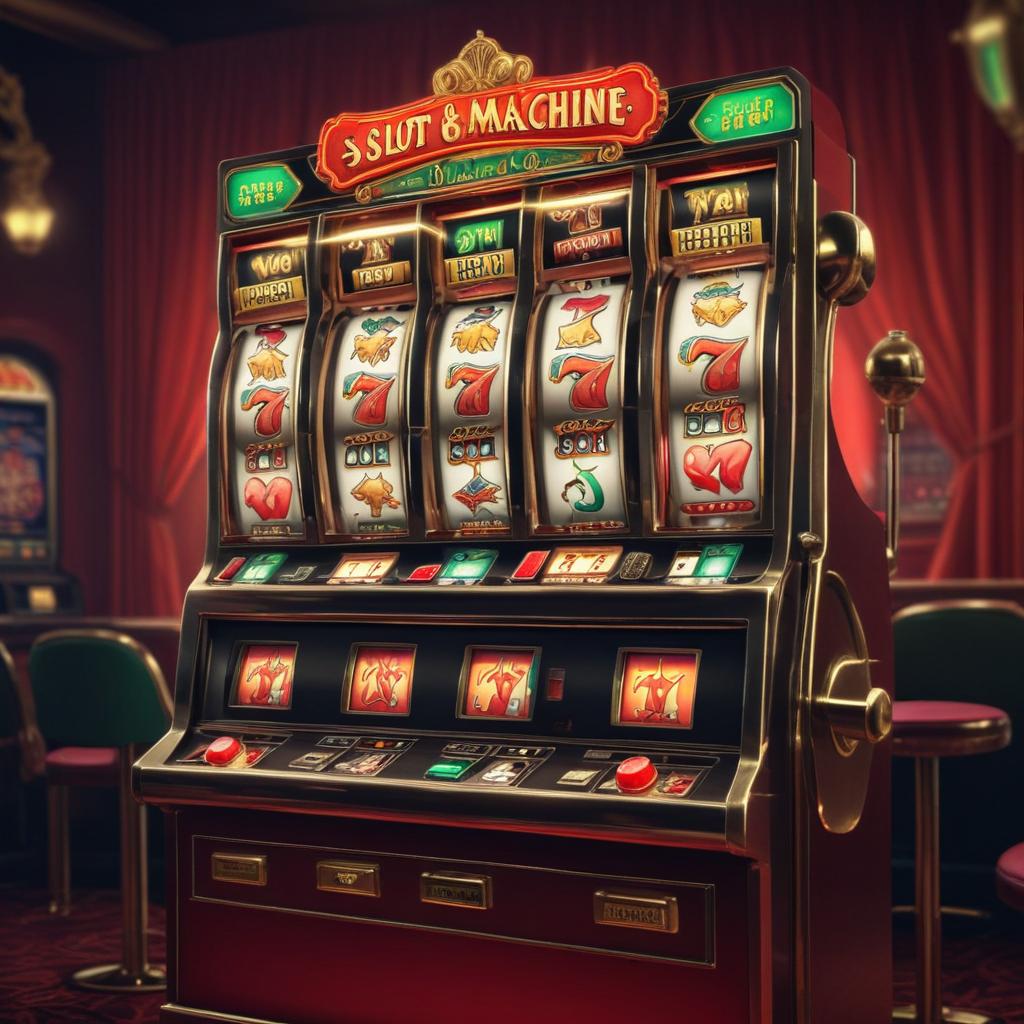
Arrange slots in a grid or list format that balances visual appeal with clear organization. Avoid overcrowding the interface, allowing sufficient spacing between elements to reduce cognitive load. Utilize contrasting colors and clear typography to highlight important features such as jackpot amounts or new game releases. This helps users scan the available options effortlessly.
Incorporate responsive design principles to ensure the slot layout adapts seamlessly across different devices, maintaining usability whether on desktop or mobile. Navigation menus or filters positioned strategically enable users to quickly refine their choices based on preferences like game type, theme, or volatility. By combining these design tips with layout optimization, you create a streamlined slot arrangement that guides users naturally through their gaming journey.
Ultimately, prioritizing a user-centric design not only facilitates smoother slot navigation but also encourages longer engagement and satisfaction, turning casual visitors into loyal players.
Utilizing Keyboard and Assistive Navigation
Efficient slot navigation is crucial for an enjoyable gaming experience, and utilizing keyboard navigation alongside assistive tools plays a significant role in achieving this. Keyboard shortcuts enable players to swiftly move through slots without relying on a mouse, making the gameplay smoother and more accessible. For individuals with disabilities, these shortcuts provide an essential way to interact with slot interfaces effectively, enhancing their overall accessibility.
Assistive technologies, such as screen readers and voice control systems, further aid in navigating slots, particularly for users who face challenges with traditional input methods. These navigation aids interpret on-screen elements and provide verbal feedback, ensuring that users do not miss out on any features or bonuses. Incorporating these tools supports inclusive design principles and benefits all players by enabling faster, more intuitive access to game functions.
Moreover, developers designing slot games should prioritize compatibility with various assistive tools and optimize keyboard navigation support. This approach not only broadens the user base but also aligns with modern standards for accessibility. In summary, combining keyboard navigation and assistive technologies ensures a seamless and inclusive slot navigation experience, allowing every player to enjoy their gaming adventure with ease and confidence.
Reducing Latency and Improving Performance
Performance optimization in slot navigation systems is crucial for ensuring a seamless user experience. One of the primary technical approaches to achieve this is minimizing loading speed. This can be accomplished by optimizing asset delivery; for example, compressing images and using efficient file formats reduces the amount of data transferred, directly cutting down on latency. Implementing lazy loading techniques ensures that only essential resources are loaded initially, with secondary elements fetched as needed, which significantly enhances perceived performance.
Another key strategy involves leveraging modern web technologies such as Content Delivery Networks (CDNs). By distributing content closer to the user, CDNs effectively reduce latency, speeding up interaction times in slot navigation environments. Moreover, adopting asynchronous data fetching and preloading mechanisms helps preload critical navigation data, allowing the system to respond swiftly to user inputs without delays.
Optimizing backend processes also plays a vital role in performance optimization. Efficient database queries and caching frequently accessed data reduce server response time, enabling quicker slot navigation transitions. Additionally, utilizing lightweight frameworks and minimizing client-side scripting overhead can decrease processing load on users’ devices, supporting smooth navigation on a wider range of hardware.
By combining these approaches—latency reduction through asset and data optimization, use of CDNs, asynchronous operations, and backend efficiency—developers can significantly improve loading speed and provide a consistently responsive and smooth navigation experience in slot systems.
Testing and Troubleshooting Slot Navigation
Testing navigation in slot games is essential to ensure a smooth user experience and to identify any potential issues early. One effective method is user testing, where real players interact with the slot interface to provide feedback on navigation efficiency and intuitiveness. Observing players can reveal confusing elements, poorly placed buttons, or navigation flows that cause frustration or errors.
Another approach to testing navigation is automated usability testing, which employs software tools to simulate user interactions with the slots. These tests can quickly highlight bottlenecks or inconsistencies in the navigation paths, such as delays when moving between menus or unresponsive controls. Combining automated tests with user testing delivers comprehensive insights into the navigation experience.
When it comes to troubleshooting slot navigation issues, the first step is to replicate the problem consistently. Documenting the specific conditions under which the issue occurs—browser type, device used, or specific slot features involved—helps in root cause analysis. Once identified, developers can focus on coding errors, interface glitches, or server issues that might disrupt navigation.
Effective issue resolution also involves clear communication between testers, developers, and stakeholders. Using issue tracking systems to log and prioritize navigation problems ensures systematic handling and prevents overlooking key user concerns. Additionally, regular updates and patch releases based on feedback help maintain navigation reliability and user satisfaction.
In summary, thorough testing navigation through a mix of user testing and automated tools, coupled with a structured troubleshooting process, can significantly enhance slot navigation performance. These practices minimize navigation frustrations and create a seamless gaming experience that encourages prolonged player engagement.
Conducting Usability Tests
Organizing usability testing sessions is crucial for improving slot navigation by gathering valuable user feedback. Start by defining clear objectives that focus on navigation assessment within the slot gaming environment. These objectives will guide the testing techniques you choose and ensure the session targets specific usability challenges.
Recruit users that represent your target audience to participate in the tests. Provide them with tasks designed to simulate real-world slot navigation scenarios, such as locating favorite games, accessing bonus features, or switching between game modes. Observe their interactions and encourage verbal feedback to uncover pain points and areas of confusion.
During the sessions, apply various usability testing techniques including think-aloud protocols, task completion analysis, and post-test interviews. Combining these approaches will give a comprehensive understanding of the user experience and highlight navigation issues from multiple perspectives.
After collecting user feedback, analyze the data to identify patterns and prioritize navigation problems. Use these insights to iterate on design improvements, ensuring smoother and more intuitive slot navigation. Regular usability testing makes continuous enhancement possible and highly user-centered, ultimately leading to increased player satisfaction and engagement.
Identifying and Fixing Common Navigation Bugs
Detecting and resolving navigation errors in slot systems is crucial for maintaining a seamless user experience. The first step in effective bug fixing is to thoroughly monitor the system for any irregular behaviors, such as unexpected page reloads, freezing, or unresponsive buttons. These are common indicators of navigation errors that require immediate attention.
One practical troubleshooting tip is to replicate the error scenario consistently, which helps in identifying the underlying cause. Use debugging tools and logs to trace where the slot issues occur within the navigation flow. Pay special attention to recent updates or changes in the code, as these often trigger new bugs.
Once the bugs are identified, prioritize them based on their impact on functionality and user experience. Fixing slot navigation bugs may involve correcting link targets, optimizing script executions, or addressing conflicts between plugins or components. Always test fixes in a controlled environment before deploying them live to avoid further complications.
Lastly, maintaining comprehensive documentation of these troubleshooting tips and the steps taken to resolve issues is beneficial for future reference. Regular system audits and updates also help in proactively preventing navigation errors and ensuring smooth slot navigation overall.
Understanding Slot Navigation Basics
Slot navigation is a crucial aspect of designing user interfaces where users interact with multiple content areas or «slots» to access different features or information. It refers to the method through which users move between these distinct slots, allowing seamless and intuitive access to varied functionalities within an application or website. Understanding slot navigation is essential to create a positive user experience, as it directly impacts how easily users can find what they need and how efficiently they can operate the interface.
At its core, slot navigation involves organizing interface elements into defined regions or slots, each dedicated to a specific type of content or control. These slots can be visual containers such as panels, tabs, or sections where users can interact separately with different parts of the application. Proper slot navigation ensures that users always know where they are within the interface and can move effortlessly between these areas without confusion or unnecessary steps.
One of the primary reasons slot navigation is important for user experience is that it helps reduce cognitive load. When users understand the navigation basics and the structure of slots, they can predict where to find certain functions or information, which speeds up their interactions and enhances satisfaction. A well-designed slot navigation system also minimizes the chances of users getting lost or overwhelmed by too many options, leading to a more focused and productive experience.
In terms of terminology, the concept of «slots» refers to the predefined areas within the user interface that can be independently controlled or updated. Navigation refers to the method or mechanism that allows users to move between these slots, such as buttons, tabs, swipe gestures, or keyboard shortcuts. Together, these components form the foundation of slot navigation in digital interfaces.
Understanding these basics helps designers and developers craft user interfaces that are not only visually organized but also operationally efficient. Good slot navigation leads to interfaces that feel natural to navigate, ultimately improving user retention and satisfaction. By mastering slot navigation concepts, developers can create systems that balance complexity and simplicity, guiding users effectively through their digital journey.
Key Components of Slot Navigation
The main components of slot navigation are essential elements that work together to create a seamless user experience. These navigation components typically include the slot elements themselves, such as the reels, paylines, and control buttons. Each slot element serves a specific function, allowing players to interact easily with the game. For instance, reels are the core visual part where symbols spin and align, while paylines indicate winning combinations, providing clear feedback to users.
Another critical element is the interface’s UI parts, like menus, tabs, and navigation bars, which facilitate quick access to different sections of the slot game or casino platform. These UI parts ensure that players can move smoothly between gameplay, settings, and bonus features without confusion. Additionally, navigation features such as autoplay controls, bet adjustments, and audio settings contribute significantly to a streamlined user journey.
All these slot elements and UI parts interact closely within the interface to maintain fluidity and responsiveness. The design and placement of these navigation components must be intuitive to minimize friction and enhance engagement. Effective slot navigation components operate cohesively to guide users effortlessly through the game’s various features, improving overall usability and enjoyment. This integration of navigation features creates a balanced and user-friendly environment for players to explore and enjoy slot games.
Common Challenges in Slot Navigation
Navigation issues are one of the most frequent obstacles users face when playing slot games. These problems can stem from poorly designed interfaces that make it difficult for players to find essential features or understand how to move between different game sections smoothly. Common problems include unclear button placements, inconsistent layouts across games, and lack of intuitive controls, all contributing to user frustration. When players struggle with slot navigation errors, it not only disrupts their gaming experience but may also lead to early abandonment of the game.
Another challenge arises from the complexity of modern slots, which often incorporate multiple bonus rounds, paylines, and interactive elements. Without clear guidance or a simplified navigation system, users can easily get lost or confused. This confusion can manifest in incorrect selections or missed opportunities to engage with the game’s features, further increasing dissatisfaction. Moreover, slow-loading menus or unresponsive navigation buttons exacerbate the problem, causing a lag in the smooth flow of gameplay.
Addressing these common navigation issues requires developers to focus on user-centered design principles. Simplifying the interface, providing clear instructions, and ensuring consistent navigation pathways can significantly reduce slot navigation errors. Enhancing responsiveness and minimizing distractions are also key to preventing user frustration, ultimately delivering a more enjoyable and seamless slot gaming experience.
Tips and Best Practices for Smoother Slot Navigation
Improving slot navigation is essential for enhancing user experience and ensuring players can enjoy their gaming sessions without frustration. Here are key navigation tips and best practices to optimize slot navigation effectively.
Firstly, simplify the user interface with clear and intuitive navigation menus. Use familiar icons and concise labels to help users quickly understand their options. A clutter-free design reduces cognitive load and guides players effortlessly through slot features and game selections.
Secondly, implement responsive design to accommodate various screen sizes and devices. Many players access slots on mobile devices, so navigation must be seamless whether on a desktop, tablet, or smartphone. Responsive layouts that adapt dynamically ensure a smooth user experience across platforms.
Another best practice is to provide quick access to frequently used features such as game history, settings, and customer support. Using shortcut buttons or a persistent navigation bar enhances user convenience by minimizing the steps needed to reach essential functions.
Loading speed is a critical factor in slot navigation improvement. Optimize graphics and scripts to reduce lag time when switching between games or accessing menus. Fast loading times keep users engaged and prevent drop-off caused by delays or freezes during navigation.
Consistency across the platform is also vital. Use uniform navigation styles throughout the site to avoid confusion. Consistent placement of menu items, button styles, and interactive elements fosters familiarity and eases navigation, contributing positively to the overall user experience.
Consider integrating a search function that allows users to quickly find specific slot games or features. A robust search tool saves time and improves accessibility, especially for sites with a large game selection, enhancing the ease of slot navigation.
Lastly, gather user feedback regularly to identify navigation pain points and areas for improvement. Incorporate data-driven enhancements to continuously refine the navigation system, ensuring it meets player expectations and evolves with user needs effectively.
Optimizing Slot Layout and Design
Effective layout optimization and thoughtful design tips are essential for creating an intuitive slot arrangement that enhances user experience. When designing slots, focus on a user-centric design approach that prioritizes ease of navigation and accessibility. Group related slot games logically and use consistent visual cues to help users quickly identify categories and features.

I’ve been fascinated by the world of online casinos and slot games ever since I discovered how strategy and luck intertwine. I love exploring new bonuses, sharing tips on responsible gaming, and diving deep into the mechanics behind each game. My goal is to help players enjoy the excitement while staying informed and safe.