
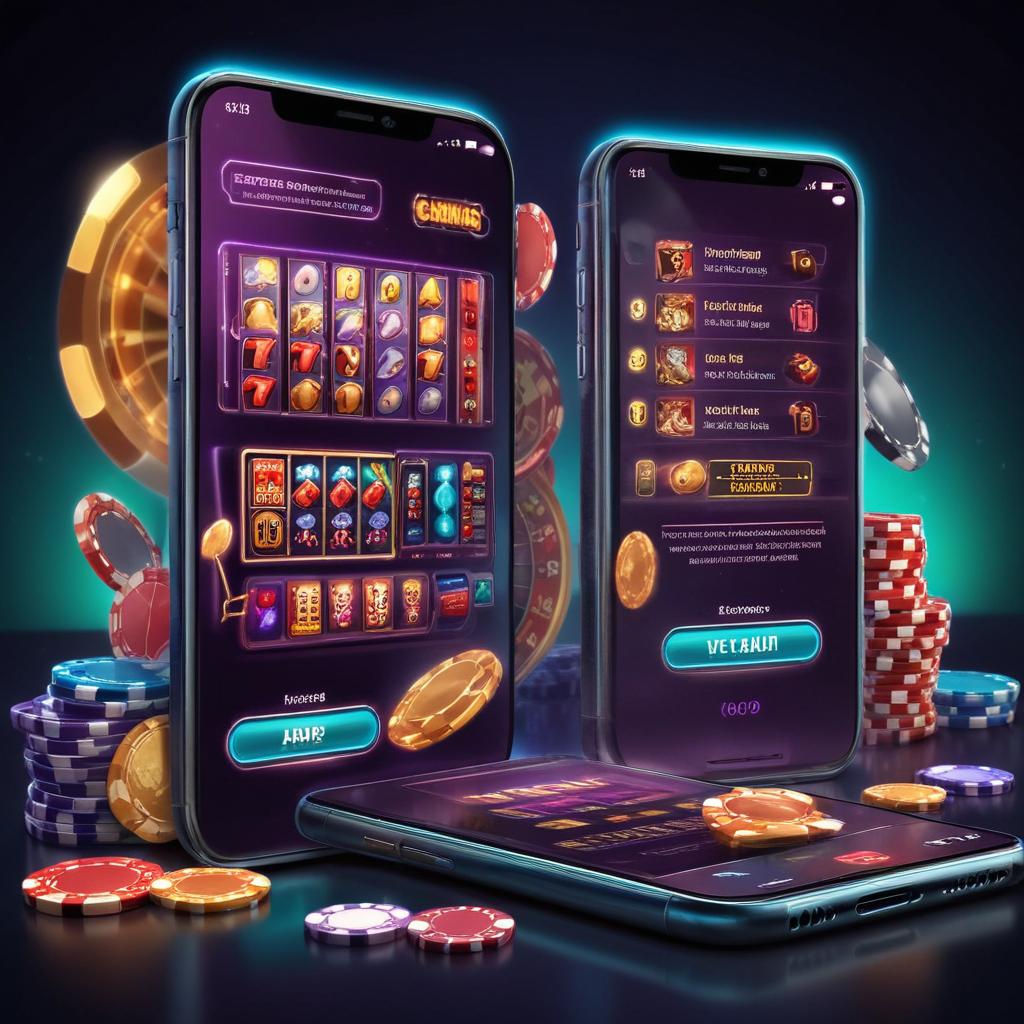
Another effective strategy to reduce drop-off points is boosting user engagement by personalizing the gaming experience. Offering tailored bonuses, real-time support, and intuitive tutorials keeps users invested and less likely to abandon the app. Moreover, regular updates with fresh content and seamless payment options contribute to an engaging and user-friendly environment.
Ultimately, minimizing user abandonment hinges on continuous monitoring and iterative app optimization. By addressing user pain points and consistently enhancing engagement, casino apps can maintain a smooth user flow that encourages prolonged interaction and loyalty.
Optimizing Onboarding Experience
Casino apps place great emphasis on optimizing the onboarding experience to ensure that new users quickly understand how to navigate the platform and feel comfortable engaging with the various features. A smooth onboarding process sets the tone for first impressions, which are crucial for retaining new players and reducing early drop-off rates.
Effective user guidance is a core element of this strategy. Many casino apps incorporate interactive tutorials that guide players through key functionalities, such as how to deposit funds, select games, and claim bonuses. These tutorials are often designed to be concise and visually engaging, providing step-by-step instructions without overwhelming the user.
Additionally, personalized onboarding flows are becoming more prevalent. By leveraging user data and preferences, casinos can tailor the introduction to highlight the most relevant games and features for each player. This targeted approach helps maintain engagement by showing users the platform’s value right from the start.
Overall, by focusing on clear user guidance, immersive tutorials, and a welcoming first impression, casino apps successfully enhance the onboarding process. This not only helps users understand the platform quickly but also encourages prolonged interaction and loyalty.
Overview of User Flow in Casino Apps
User flow in casino apps refers to the path and sequence of interactions that a user experiences as they navigate through the app. It encompasses every step a player takes, from opening the app and creating an account to selecting games, making bets, and ultimately cashing out winnings. Effective user flow design ensures that this journey is intuitive, smooth, and engaging, minimizing friction and enhancing overall satisfaction.
In the context of casino apps, user flow is critical because it directly impacts user engagement. A well-structured user flow helps players easily find their favorite games, understand how to use different features, and access bonuses or promotions without confusion. When users can navigate the app effortlessly, they are more likely to spend more time playing, which increases their likelihood of returning to the app in the future.
App navigation plays a central role in shaping user flow. Casino apps must balance offering a wide variety of games and options with maintaining clear and simple pathways. If navigation is cluttered or complicated, users can become frustrated and abandon the app. Therefore, thoughtful design that guides users naturally from one step to the next is essential for retaining users and boosting their overall experience.
Moreover, the user experience provided by an organized user flow can foster trust and confidence in the casino app. When users feel comfortable and supported throughout their interaction, including clear progression markers and easy-to-access help features, they are more likely to perceive the app as reliable and user-friendly. This emotional connection is vital for building long-term loyalty among players.
In summary, user flow in casino apps is the blueprint of how users move through the application and interact with its features. Prioritizing seamless app navigation and intuitive design enhances user experience, which in turn drives engagement and retention. For casino apps looking to succeed in a competitive market, mastering user flow is not just important — it is indispensable.
Importance of Seamless Navigation
Seamless navigation is a cornerstone of an effective casino interface. When users experience smooth navigation, it directly enhances the overall user satisfaction by eliminating frustration and confusion. A well-structured navigation system allows players to quickly find the games or features they want without unnecessary delays or complicated menus. This smooth UX not only makes the app more enjoyable but also builds user trust, encouraging players to spend more time within the platform.
In the competitive world of casino apps, user retention is heavily influenced by how effortlessly players can move through different sections. If the navigation is intuitive and fluid, users remain engaged and are more likely to return regularly. Conversely, a clunky or disjointed navigation design can cause users to abandon the app in favor of competitors offering a more seamless UX. Therefore, investing in a thoughtful navigation structure is crucial for maintaining a loyal user base and sustaining long-term success.
Moreover, seamless navigation integrates well with other design elements such as visual cues and responsive feedback, further improving the overall casino interface. Players who encounter fewer obstacles feel more in control and focused, leading to a more immersive and enjoyable gaming experience. Ultimately, a smooth navigation experience is not just a convenience but a vital component to creating engaging, user-friendly casino apps that keep players coming back.
Typical User Journey in Casino Apps
The user journey within casino apps is designed to be seamless and engaging, incorporating essential casino features that guide players smoothly from sign-up to active gameplay and transactions. Understanding these user steps is crucial for optimizing app onboarding and retention.
- Account Registration: The journey starts with the app onboarding process, where users create an account either through email, phone number, or social media integration. This step includes verification to ensure security and compliance.
- Profile Setup: After registration, users typically complete their profiles by setting preferences, selecting currency, and sometimes opting into promotional offers or notifications, enhancing personalization.
- Deposit Funds: Users move on to transaction steps by depositing money into their casino wallets. Multiple payment methods are offered for convenience, such as credit cards, e-wallets, or cryptocurrency.
- Exploring Casino Features: Once funding is secured, users navigate through various game categories like slots, poker, or live dealer games. This stage focuses on providing a rich experience with tutorials or demo modes available to new players.
- Gameplay: The core step where users actively engage with casino games. Real-time feedback, smooth animations, and interactive elements enhance the gaming experience to boost user satisfaction and retention.
- Withdrawals and Rewards: Following gameplay, users can request withdrawals of their winnings. The app facilitates this with secure and transparent processes. Additionally, loyalty programs or bonuses encourage continued participation.
By streamlining these user steps—from onboarding through gameplay and transactions—casino apps ensure an optimized user journey that enhances engagement, trust, and long-term player value.
Techniques Casino Apps Use to Manage User Flow
Casino apps leverage a variety of advanced strategies and technologies to effectively manage user flow, ensuring that users experience a smooth and engaging journey throughout the app. One of the key techniques is personalization. By analyzing user behaviors, preferences, and playing patterns, casino apps tailor the content and game recommendations to meet the unique interests of each player. This not only enhances user satisfaction but also directs players seamlessly to relevant game sections and promotions, reducing friction and boosting engagement.
Flow management in casino apps is often supported by intuitive design and smart navigation aids. Clear menus, step-by-step tutorials, and contextual tips help users understand where they are in the app and what actions to take next. Smooth transitions between games, account management, and bonus redemption areas keep users from feeling lost or overwhelmed. By guiding users discreetly yet effectively, these apps maintain a steady and enjoyable experience.
Another powerful tool used in managing user flow is push notifications. These notifications serve as timely reminders and personalized calls to action, encouraging users to return to the app or to explore new features and bonuses. When well-targeted and spaced, push notifications reinvigorate user interest without overwhelming the player, striking a balance that drives retention and sustained engagement.
Gamification techniques further enhance flow management by incorporating elements like challenges, leaderboards, achievements, and reward systems. These gamified features create a sense of progression and competition, motivating users to explore more sections of the app and engage for longer periods. This structured path of goals and rewards naturally guides users through various offerings, making the experience immersive and enjoyable.
In summary, casino apps integrate personalization, well-designed flow management, push notifications, and gamification to craft a fluid and engaging user journey. These combined strategies not only streamline navigation but also deepen user engagement, ensuring that players remain active and satisfied throughout their time within the app.
Personalized Content and Recommendations
Casino apps increasingly rely on personalization to enhance the user experience by tailoring content and recommendations based on individual user preferences. By leveraging AI algorithms, these apps analyze gameplay behavior, betting patterns, and past interactions to understand what types of games and offers resonate most with each player.
Personalization allows casino apps to deliver targeted game suggestions, increasing user engagement by presenting options that align with the player’s interests and skill level. Rather than offering generic choices, recommendations are dynamically adjusted using machine learning models that continuously refine their accuracy as more data is collected from user activities.
Moreover, personalized offers and promotions, such as bonuses or free spins, are tailored based on the user’s history and preferences, creating a customized experience that encourages ongoing play and loyalty. These AI-driven suggestions not only improve customer satisfaction but also optimize revenue by motivating players to explore new games and features suited to their tastes.
Overall, personalization powered by AI algorithms is central to modern casino apps, helping them deliver a more engaging, user-focused service. By continuously adapting to user preferences, they can effectively manage user flow, keeping players invested longer through relevant content and recommendations.
Push Notifications and Timely Alerts
Push notifications and timely alerts play a crucial role in the user engagement strategies of casino apps. By sending targeted messages at the right moments, these notifications attract users back to the app, encouraging continuous participation and enhancing overall retention. Whether it’s reminding a user about a new bonus, an upcoming tournament, or personalized offers based on their gaming behavior, push notifications serve as a direct channel to keep users informed and involved.
Effective alerts are designed to be timely and relevant, ensuring the user feels valued without being overwhelmed. Well-timed push notifications can reignite a user’s interest after periods of inactivity, offering incentives or exclusive content that motivates them to return. This approach not only boosts daily active user numbers but also reinforces the user’s connection to the app, making it a key component of retention strategies.
Additionally, these notifications help maintain an ongoing dialogue between the app and its users, fostering a sense of excitement and anticipation. When users receive useful updates about their gameplay or special promotions, their loyalty often strengthens, leading to higher lifetime value. In essence, push notifications and alerts are indispensable tools in creating a dynamic, user-centric experience that keeps casino app audiences engaged and coming back for more.
Challenges and Best Practices in Managing User Flow
Casino apps face numerous challenges in managing user flow, which can directly impact user engagement and retention. One of the primary challenges is user abandonment, where players leave the app prematurely due to confusing navigation, slow loading times, or overwhelming interfaces. This abandonment not only reduces potential revenue but also affects the overall user experience. Another common challenge is balancing the complexity of casino features with ease of use. Users expect seamless access to games, bonuses, and account management without feeling lost or frustrated.
Flow optimization is crucial to addressing these challenges. Best practices in the industry emphasize clear and intuitive navigation structures that guide users naturally through their journey, from registration to gameplay and cashouts. Providing context-sensitive help, tooltips, and progressive disclosure of features can reduce cognitive overload, encouraging users to explore more without feeling overwhelmed. Furthermore, fast performance and minimal loading times are essential to keep users engaged and prevent drop-offs.
Another best practice involves personalizing the user experience through data-driven insights, allowing the app to tailor content, promotions, and recommendations based on user behavior. This personalization can increase user satisfaction and reduce abandonment. Additionally, continual testing and analysis of user flow data help identify bottlenecks and pain points, enabling ongoing refinement and improvements.
Finally, implementing a feedback mechanism where users can report issues or suggest improvements provides valuable insights to developers. Combining user feedback with analytical data leads to a more user-centric approach, enhancing flow optimization and minimizing challenges. By focusing on these best practices, casino apps can effectively manage user flow, reduce abandonment, and create a captivating gaming experience.
Reducing User Abandonment
User abandonment is a significant challenge for casino apps, often occurring when users encounter frustrating drop-off points during their experience. These drop-offs can happen for several reasons: slow loading times, complicated navigation, unclear instructions, or lack of engaging content. When users face such obstacles, their motivation to continue diminishes, leading to premature exits that negatively impact app performance and revenue.
To tackle user abandonment, app developers implement strategic app optimization techniques aimed at smoothing the user flow. This starts with identifying critical drop-off points through analytics and user behavior tracking. Understanding where and why users leave enables targeted improvements, such as streamlining account creation, simplifying game rules, and enhancing the responsiveness of the interface.

I’ve been fascinated by the world of online casinos and slot games ever since I discovered how strategy and luck intertwine. I love exploring new bonuses, sharing tips on responsible gaming, and diving deep into the mechanics behind each game. My goal is to help players enjoy the excitement while staying informed and safe.