

Understanding Slot Machine Mechanics
To truly appreciate how slot machines function, it’s essential to understand the fundamental slot mechanics that govern each spin. At their core, slot machines consist of several key elements: reels, paylines, and symbols. These components work together to create the exciting gameplay and determine the outcome of each round.
Reels are the vertical sections that spin when you hit the «play» button. Traditionally, classic slots use three reels, but modern video slots often feature five or more. Each reel contains a series of symbols arranged in a specific order. When the reels stop spinning, the combination of symbols that land along the paylines determines whether you win or lose.
Paylines are the lines across the reels where winning combinations are evaluated. These lines can be straight, zigzagging, or even form intricate shapes depending on the slot machine. Understanding the paylines is crucial because a winning combination must appear on one or more of these lines. Some slot machines offer a fixed number of paylines, while others allow players to choose how many lines to activate per spin.
Symbols are the images displayed on each reel that form winning combinations. These can range from traditional fruits and numbers to themed icons tailored to a slot’s storyline. Each symbol has a specific value, and certain symbols, such as wilds and scatters, have special functions that can trigger bonus rounds or multiply winnings. Recognizing the role of different symbols helps players understand the slot machine basics and how slots work overall.
Modern slot machines use a random number generator (RNG), which ensures that each spin is completely independent of previous spins. While the physical components—reels, paylines, and symbols—set the framework of the game, it’s the RNG that ultimately controls the outcome, making every spin unpredictable. This blend of visual mechanics and sophisticated software design is central to the slot mechanics that make playing slots both fun and fair.
In summary, understanding the slot mechanics involves acknowledging how reels spin and stop, how paylines define winning lines, and how symbols create potential rewards. Grasping these slot machine basics provides players with a clearer picture of how slots work and enriches the overall gaming experience.
Role of Random Number Generators (RNG)
At the core of every modern slot machine lies the random number generator, commonly known as the RNG. This technology is a computer algorithm that continuously produces numbers at an incredibly fast rate, even when the machine is not being played. The RNG determines the outcome of every spin by selecting a number that corresponds to a specific symbol combination on the reels. Because these numbers are generated in real time and without any discernible pattern, they ensure that slot outcomes are entirely unpredictable and fair.
Without the RNG, slot machines would rely on predetermined or manipulated results, which could compromise the integrity and fairness of the game. The importance of the RNG lies in its ability to create slot randomness, meaning each spin is independent of the previous one and cannot be influenced by past outcomes or external factors. This randomness is what keeps players confident that the game is legitimate and not rigged.
Regulatory bodies around the world rigorously test and certify the RNG systems used by slot machines to ensure they meet strict standards of fairness. Casinos must comply with these rules to maintain their licenses, which further underscores the RNG’s critical role in maintaining trust within the gaming industry. In summary, the random number generator is the linchpin behind the unpredictability and fairness of slot machines, making it indispensable in delivering a truly random gaming experience.
Impact of Slot Design and Software
The outcome of a slot game is heavily influenced by the underlying slot software and the game design choices made by developers. Slot software governs the fundamental mechanics through complex slot algorithms that determine the randomness and probability of each spin. These algorithms are meticulously designed to ensure fairness while balancing the potential payout frequencies to create engaging gameplay.
Game design also plays a crucial role in shaping player experience and perceived outcomes. Developers select themes, visuals, sound effects, and bonus features that appeal to specific audiences, making the game more immersive. Features such as free spins, multipliers, and progressive jackpots are programmed into the slot software and directly impact the excitement levels and motivation to keep playing. The design choices can influence how players perceive their chances of winning even if the slot algorithms strictly control the odds.
Moreover, modern slot software integrates advanced random number generators (RNGs) to ensure unpredictable results for each spin. These RNG-driven slot algorithms prevent manipulation and maintain a statistically fair environment. At the same time, the user interface and game mechanics are optimized to keep players engaged, often using psychological triggers embedded in the design, such as near misses and frequent small wins, which do not affect the true randomness but influence player enjoyment.
In summary, both slot software and game design intricately collaborate to define not only the outcome probabilities but also how players interact with the slot. Understanding this interaction helps players appreciate the blend of technology and creativity behind each spin.
Factors Influencing Slot Outcomes
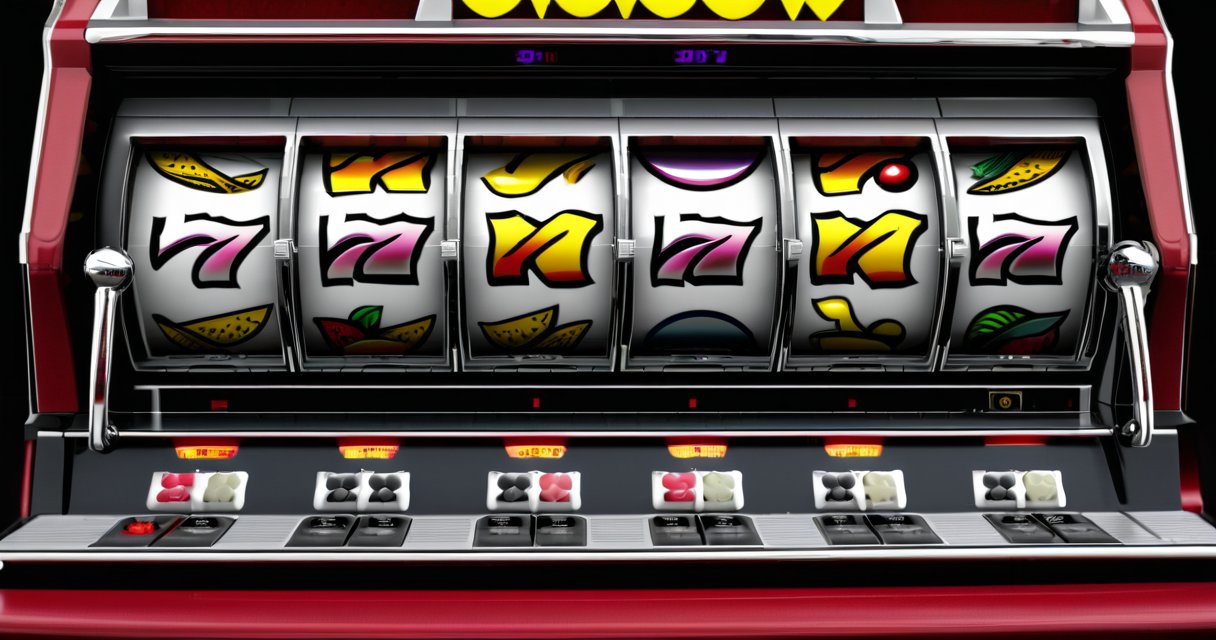
The outcomes of slot machines are influenced by a variety of elements that work together to determine what happens on each spin. Understanding the key slot payout factors and other influencing factors provides valuable insight into how these games operate and why results can vary so much.
First and foremost, the Random Number Generator (RNG) is the cornerstone responsible for generating slot outcomes. The RNG ensures that every spin’s result is completely random and independent of previous spins. Because the RNG continuously cycles through numbers even when the machine is idle, the exact moment a player presses the spin button is crucial, as it determines the combination of symbols that appear. This randomness is one of the primary influencing factors behind slot results.
Another significant factor involves the slot’s pay table and payout percentages. Each game has a predetermined payout structure that affects the probability of hitting certain symbol combinations and bonuses. These slot payout factors are incorporated into the game’s design, influencing how frequently players can expect to receive wins and what size those wins might be. Machines with higher payout percentages generally yield better long-term returns to players, while those with lower percentages can experience larger variability in results.
Additionally, the number of reels and paylines present in a slot game impacts slot outcomes significantly. More reels and paylines generally increase the complexity of possible winning combinations, which can alter the chances of a spin resulting in a payout. Slot designers use this as a tool to create a balance between frequent smaller wins and rarer larger jackpots, which adds to the excitement and unpredictability of results.
The game volatility, or variance, is also a key influencing factor. Low volatility slots provide more frequent but smaller wins, creating a steadier gameplay experience. High volatility slots, on the other hand, pay out less often but offer the chance of large jackpots. The volatility setting is embedded within the game’s programming and directly affects how spins behave over time.
Lastly, external factors like software licensing and regulatory compliance can affect slot outcomes indirectly. Legitimate online and physical slot machines must adhere to strict regulations that ensure fair play. This oversight requires that all slot outcomes produced by the RNG meet fairness standards, thereby protecting players and maintaining the integrity of the game results.
In summary, slot outcomes are shaped by an intricate interplay of several influencing factors including the RNG, payout percentages, game structure, volatility, and regulatory controls. Recognizing these slot payout factors helps players understand why spins yield the results they do, reinforcing that each spin is a unique, chance-driven event.
Return to Player (RTP) and House Edge
Return to Player (RTP) is a key metric used to describe the percentage of wagered money a slot machine is designed to pay back to players over time. For example, an RTP of 96% means that, on average, a player can expect to get back $96 for every $100 wagered. It’s important to understand that RTP is a theoretical value calculated over a long period and a vast number of spins, rather than a guarantee for short-term play.
The house edge is essentially the opposite of RTP and represents the casino’s profit margin on a slot game. If a slot has a 96% RTP, the house edge would be 4%. This means the casino expects to keep 4% of all bets made on that machine over time. The house edge and RTP together determine the potential returns a player might realistically receive when playing a slot game.
Both RTP and house edge are critical factors when evaluating slot payout potential. While a higher RTP suggests better odds for players, it doesn’t guarantee winning on any individual spin. Slots with a lower house edge are generally more favorable to players, but all slot outcomes still rely heavily on RNG (random number generator) technology to ensure fairness and unpredictability.
Understanding RTP and house edge helps players make informed choices about which slots to play, setting realistic expectations regarding their potential returns over time and how much the slot payout can vary from session to session.
Bet Size and Payline Configuration
Bet size is one of the most straightforward factors influencing slot outcomes and potential payouts. When players increase their bet size, they raise the amount wagered per spin, which directly affects the payout scale. Most slot games offer higher rewards or jackpots when a player places a larger bet, since the payout structures are often proportional to the wager. Conversely, smaller bets might limit the possible winnings but allow for longer gameplay. Understanding how bet size works is essential for managing bankroll and optimizing chances of winning.
Another critical element that affects game results is the configuration of paylines. Paylines are predetermined patterns across the reels where matching symbols must align to produce winning combinations. Players typically have the option to activate a certain number of paylines, impacting both the cost per spin and the potential for winning. Activating more paylines increases the likelihood of winning on any given spin because more winning patterns are covered, but it also increases the total wager amount.
When a player adjusts paylines and bet size together, they are essentially balancing risk and reward. Higher bet sizes combined with maximum paylines lead to bigger wagers, but also unlock greater payout opportunities and access to bonuses or progressive jackpots. On the other hand, choosing fewer paylines with smaller bets results in lower volatility and smaller payouts but conserves the player’s budget. Therefore, slot betting strategies often revolve around finding an ideal combination of bet size and active paylines to match a player’s risk tolerance and desired payouts.
Common Myths and Misconceptions About Slot Outcomes

Slots have long been a favorite pastime in casinos, both physical and online. However, the world of slot games is surrounded by numerous slot myths and slot misconceptions that can confuse players about how slot outcomes are actually determined. Understanding the truth behind these slot outcome myths is crucial for anyone looking to enjoy slots responsibly and with realistic expectations.
One of the most widespread slot myths is the idea that a slot machine is «due» to hit after a series of losses. Many players believe that after a string of losing spins, the machine will inevitably pay out soon to balance things out. In reality, slot outcomes are generated by Random Number Generators (RNGs), which ensure every spin is independent and random. This means the machine does not keep track of past results, so there is no concept of “due” wins or losses.
Another common slot misconception is that the physical location or position of the slot machine within a casino affects the chances of winning. Some players think machines located near entrances or popular areas are “looser” or more likely to pay out. However, this is a marketing myth designed to lure players and has no basis in how modern slot machines work. Whether in a physical or online casino, the outcome is always random and unaffected by the machine’s location.
Players often believe that pressing the spin button at a specific moment or using certain rituals can influence the outcome. This is another example of slot outcome myths that don’t reflect reality. The RNG determines the result the moment the spin starts, so the timing of when the button is pressed or any player behavior has no effect on the results. Slots operate purely on chance and algorithms, not superstitions or player habits.
There is also a misconception that casinos manipulate slot results in real-time to control payouts. While casinos regulate their games, licensed and regulated operators must adhere to strict rules and regularly undergo audits to ensure fairness. The slot machines use certified RNGs that produce unpredictable results, protecting players from unfair manipulation. Thus, the outcomes you see are genuinely random and fair within the programmed Return to Player (RTP) percentages.
In summary, understanding these common slot myths and slot misconceptions is key to approaching slot games with a clear, informed perspective. Slot outcome myths may persist, but the truth is that what truly affects slot results are the underlying RNG technology and the game’s RTP, not past spins, machine location, or player superstitions. By knowing this, players can enjoy the thrill of slots without falling prey to false beliefs.
Machine ‘Hot’ and ‘Cold’ Streaks
Many slot players believe in the concept of machine «hot» and «cold» streaks, thinking that a slot machine can be on a hot streak, paying out frequently, or a cold streak, where wins are rare. These beliefs about slot streaks are common but fall under the category of outcome myths that can mislead players.
The reality is that slot machines operate using random number generators (RNGs) that ensure every spin outcome is completely independent of any previous spins. This means a hot streak does not increase the chances of winning on the next spin, nor does a cold streak make you more likely to lose continuously. Each spin starts fresh with the same probability, unaffected by what happened before.
Understanding that slot streaks are purely coincidental helps players avoid falling into common gambling fallacies. The perception of a machine being «hot» or «cold» is often based on short-term results, but mathematically, long-term play will always align with the machine’s return to player (RTP) percentage. This is why it is crucial to recognize that every spin is a new event in itself, driven by RNG technology.
In essence, the myth of hot and cold slot streaks is a misunderstanding of how slots work. Players should focus on enjoying the game rather than chasing patterns that do not exist. Remember, slot streaks do not influence outcomes—each spin is independent, fair, and entirely random.
Timing and Player Influence
One of the most common misconceptions about slot machines revolves around timing myths and player influence. Many players believe that when they click the spin button, their speed or the moment they choose to stop the reels can affect the outcome. However, the truth is that slot timing has no bearing on the result of each spin.
Modern slot machines use Random Number Generators (RNGs) which continually generate numbers, even when the machine appears idle. The exact moment you hit the spin button merely captures the current RNG value to determine the symbols that will land on the reels. This means that neither clicking speed nor the attempt to stop the reels at a certain time influences the spin’s outcome in any way.
Player influence in the form of timing is more myth than reality. The outcomes are designed to be random and independent of player actions like when the buttons are pressed or how quickly the reels are stopped. Understanding this can help players focus on enjoying the game rather than trying to control variables that have no impact on the result.
In conclusion, timing myths and the idea that you can sway slot outcomes through quick clicks or reel stops are simply misconceptions. Slot timing does not affect your chances, reinforcing that slots rely purely on chance rather than player manipulation or timing tricks.

I’ve been fascinated by the world of online casinos and slot games ever since I discovered how strategy and luck intertwine. I love exploring new bonuses, sharing tips on responsible gaming, and diving deep into the mechanics behind each game. My goal is to help players enjoy the excitement while staying informed and safe.