
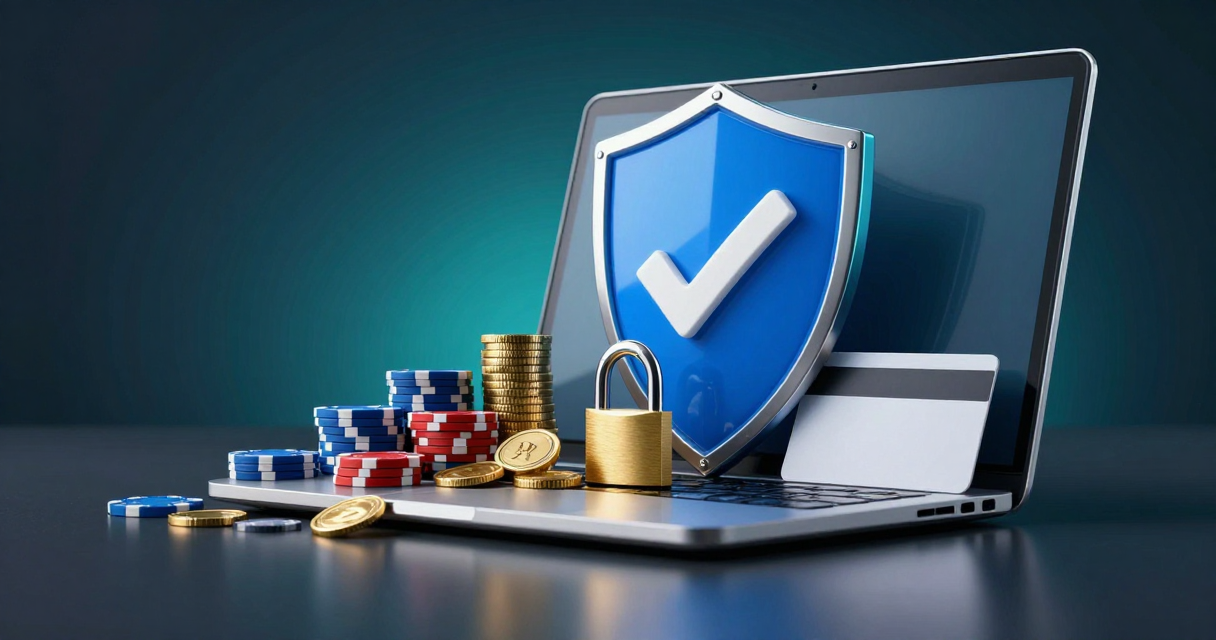
Understanding Safe Payment Methods
Safe payments are crucial in today’s digital age where online transactions are increasingly common. A safe payment method is any transaction process that ensures the confidentiality, integrity, and authenticity of payment information. This protection is essential to prevent fraud, identity theft, and unauthorized access to sensitive financial details. For both consumers and businesses, prioritizing payment safety helps build trust, reduces the risk of financial loss, and enhances the overall online shopping experience.
Secure payment methods often involve encryption technologies, such as SSL (Secure Socket Layer), which safeguard data transmitted between the buyer and seller. Techniques like tokenization replace sensitive card details with tokens during transactions, preventing exposure of actual payment information. Payment gateways and processors play a vital role in enabling secure payment methods, ensuring that the payment data is authenticated and processed safely without interception by malicious parties.
For consumers, using trusted and recognized payment options like credit cards, digital wallets, or bank transfers that offer buyer protection contributes significantly to online payment safety. Many secure payment methods also incorporate multi-factor authentication, adding extra layers of verification to confirm the user’s identity. This process minimizes the chances of fraud and unauthorized use, making the transaction environment safer.
On the business side, implementing secure payment systems is equally important. Secure payment methods help in complying with data protection regulations and standards such as PCI DSS (Payment Card Industry Data Security Standard). By adopting these safety protocols, businesses avoid costly breaches, secure customer loyalty, and maintain their reputation. Furthermore, offering various secure payment options can enhance customer satisfaction and expand the potential client base by making online payments simple and reliable.
In summary, safe payments are the foundation of trust in e-commerce. Using secure payment methods protects sensitive data, prevents fraud, and ensures smooth online payments for all parties involved. Paying attention to payment safety not only benefits consumers in managing their finances securely but also empowers businesses to grow sustainably by fostering a trustworthy transaction environment.
Types of Secure Payment Methods
When it comes to ensuring secure transactions, there are several payment types that stand out for their reliability and safety. Credit cards are among the most widely used secure payment options. They offer robust fraud protection measures, allowing users to dispute unauthorized charges easily. Moreover, many credit card companies use encryption and tokenization to protect sensitive data during transactions, making them a trusted choice for consumers worldwide.
Digital wallets are another popular payment option that promotes secure transactions. These wallets store payment information securely on a user’s device and use encryption to keep data safe. Additionally, digital wallets often incorporate multi-factor authentication, which adds an extra layer of security when making payments. Options like Apple Pay, Google Pay, and PayPal enable users to pay quickly without sharing card details with merchants, reducing the risk of data theft.
Bank transfers also offer a secure method for moving funds. Direct transfers between bank accounts are often protected by banking regulations and encryption protocols. Although slower than some other payment types, bank transfers minimize the risk of fraud since the funds move directly between financial institutions. For larger transactions, this method is often preferred due to its transparency and traceability.
Choosing the right payment option depends on your needs, but utilizing these secure payment methods—credit cards, digital wallets, and bank transfers—can help safeguard your financial information and ensure safer payment experiences.
How to Identify Secure Payment Gateways
When choosing payment gateways, it is essential to prioritize security features to protect your financial information. One of the key indicators of a secure payment gateway is the presence of an SSL certificate, which ensures that data transferred between your browser and the payment site is encrypted. This encryption safeguards sensitive details such as credit card numbers and personal information from being intercepted by malicious third parties.
Trusted payment sites also display verified seals and badges from recognized authorities. These seals indicate that the site has undergone rigorous checks and complies with industry standards for secure transactions. Always look for signs like the PCI DSS (Payment Card Industry Data Security Standard) compliance badge, which confirms that the gateway adheres to strict security protocols.
Another critical aspect to look for is end-to-end encryption, which protects payment data from the moment it is entered until it reaches the payment processor. This layered security approach reduces the risk of fraud and unauthorized access. Reputable payment gateways are transparent about their security measures and often provide detailed information about their protection mechanisms.
By focusing on these characteristics—SSL certificates, verified seals, and robust encryption—you can confidently select payment gateways that offer a safe and reliable payment experience. Ensuring your transactions go through trusted payment sites minimizes the risk of fraud and enhances your overall security.
Practical Tips for Selecting Safe Payment Methods
When you select payment method for your online or offline purchases, prioritizing security is critical to protect your financial information. Following key payment safety tips can ensure secure transactions and minimize the risk of fraud.
First, choose payment methods that offer strong security features. Credit cards often provide robust fraud protection and purchase dispute options, making them a preferred choice for many consumers. Additionally, digital wallets like PayPal, Apple Pay, or Google Pay use encryption and tokenization to safeguard your payment details during transactions.
Always use payment methods supported by reputable providers and avoid those that do not offer buyer protection. For instance, wire transfers or sending money directly to personal accounts without assurances can be risky. Payment security advice includes verifying the authenticity of payment platforms and sellers before completing any transaction.
Another important tip is to keep your payment credentials private. Never share your card details or passwords with others and regularly update passwords associated with online payment accounts. Using two-factor authentication wherever possible adds an extra layer of security, helping to safeguard your accounts against unauthorized access.
When shopping online, select payment methods that direct you to secure checkout pages—look for HTTPS in the website URL and trusted security badges on the site. For offline purchases, using chip-enabled cards or contactless payment options can reduce the risk of card skimming and theft. Avoid using public Wi-Fi when making payment transactions to prevent interception of your data.
Finally, monitor your bank and credit card statements regularly to spot any unauthorized or suspicious charges. Promptly reporting any irregularities to your financial institution can help protect your accounts and recover lost funds. By applying these payment safety tips and selecting secure payment methods thoughtfully, you can enjoy peace of mind with every transaction.
Check for Encryption and Security Features
When selecting a payment method, it is crucial to check for proper encryption and security features to ensure your financial information is safe. Encryption technology protects your data by encoding it during transactions, making it difficult for hackers to intercept or misuse your sensitive details. A key element to look for is whether the payment method offers a secure checkout process, which typically includes visible indicators like padlock icons in the browser or URLs that begin with «https://».
Additionally, many trustworthy payment providers display security badges from reputable organizations or certifications that verify their adherence to industry standards. These badges are a clear sign of payment security and indicate that the provider uses advanced measures such as SSL secure payment protocols to protect your personal and payment information. Verifying these elements before you proceed can prevent fraud and give you peace of mind while shopping online.
Always be cautious of payment methods lacking these encryption technologies or visible security features. Without them, your risk of data breaches or unauthorized transactions increases significantly. In summary, prioritizing encryption and security badges is essential for maintaining payment security across online platforms and ensuring a secure checkout experience every time.
Prefer Payment Methods with Buyer Protection
When selecting payment methods, prioritizing those that offer buyer protection is crucial for ensuring secure payments. Buyer protection acts as a safety net, providing payment guarantees that safeguard your funds in case the product or service does not meet the agreed terms. This added level of security helps build trust between buyers and sellers, reducing the risk associated with online transactions.
Payment methods with robust dispute resolution processes make it easier to address any issues that may arise during the transaction. Whether it’s receiving a faulty product, non-delivery, or unauthorized charges, having access to an efficient dispute resolution mechanism can save you time, stress, and financial loss. This seamless resolution process is an essential feature of payment systems that prioritize consumer safety.
Moreover, secure payments backed by buyer protection enhance overall peace of mind when shopping online. Knowing that your money is protected encourages more confident spending and reduces hesitation when engaging with new or less familiar vendors. In the long run, choosing payment options that offer comprehensive buyer protection and easy dispute resolution is a smart strategy to avoid scams and unfair practices.
In summary, opting for payment methods with buyer protection and dispute resolution capabilities ensures you are covered against potential issues, offering a safer and more reliable online shopping experience. Always check for these features to make informed decisions and safeguard your financial interests.
Avoid Sharing Excessive Personal Information
When making payments online, it is crucial to practice data minimization to ensure your privacy protection. Avoid sharing more personal data than absolutely necessary for a transaction. Providing excessive information not only increases the risk of identity theft but also makes it harder to maintain secure transactions.
Stick to sharing only essential details such as your name, card number, and billing address. Resist requests for unrelated data like your social security number, full date of birth, or other sensitive personal identifiers unless you are certain of the recipient’s credibility. Limiting the amount of personal data you share helps reduce exposure to cyber threats and unauthorized access.
Additionally, use payment methods that prioritize security and confidentiality, such as virtual cards or trusted digital wallets. These options often incorporate extra layers of protection to safeguard your information during payment processing. Always verify that the website or app you use employs secure encryption protocols and reputable payment gateways to keep your transactions safe.
Ultimately, careful management of your personal data combined with awareness of privacy protection best practices will greatly enhance the security of your online payments. By implementing data minimization and choosing secure payment methods, you minimize risks and contribute to safer financial transactions.
Common Mistakes to Avoid When Choosing Payment Methods
When it comes to selecting payment methods, many consumers unknowingly make payment mistakes that expose them to significant payment security risks. Understanding these common errors is essential to avoid fraud and ensure safer transactions.
One frequent mistake is using outdated or unsecured payment platforms. Relying on payment methods that do not support the latest encryption or security protocols can leave sensitive financial data vulnerable to cyberattacks. Always choose payment options that utilize robust security measures such as two-factor authentication and end-to-end encryption.
Another error consumers make is neglecting to verify the authenticity of payment portals. Phishing scams often mimic legitimate payment sites, tricking users into submitting their credentials. To avoid this, always double-check URLs for secure connections (https://) and look for official trust badges before entering any financial information.
Many users also fall into the trap of sharing payment details over unsecured networks. Using public Wi-Fi for transactions can lead to interception by hackers. It is advisable to avoid making payments unless connected to a private, secure internet connection.
Ignoring available fraud protection services is another common payment mistake. Some payment methods offer buyer protection and fraud detection, which are invaluable in mitigating losses due to unauthorized transactions. Opt for payment solutions that include these features to enhance your payment security.
Lastly, consumers sometimes fail to regularly review their payment statements for unauthorized charges. Monitoring accounts frequently helps detect suspicious activity early, allowing for swift action to prevent further damage.
By understanding and avoiding these common payment mistakes, consumers can significantly reduce their payment security risks and protect themselves from fraud. Choosing secure, verified payment methods and practicing vigilance are key steps towards safer financial transactions.
Ignoring Red Flags in Payment Requests
Payment scams continue to evolve, making fraud detection a critical skill for anyone handling transactions. Recognizing red flags early can save you from significant payment risks. Common signs include urgent requests to transfer money, especially through untraceable methods such as wire transfers or gift cards. Scammers often pressure victims by creating a false sense of urgency or fear, prompting quick decisions without time to verify the details.
Another clear red flag is when payment requests come from unfamiliar sources or contain inconsistencies such as misspelled company names, suspicious email addresses, or unusual formatting. Be wary of unexpected changes to payment details, such as suddenly receiving a request to send money to a different account than usual. This is a common tactic used in business email compromise scams.
Always verify the legitimacy of payment requests by contacting the organization or individual directly through known and trusted channels. Avoid clicking on links or downloading attachments from unsolicited emails. Implementing strong fraud detection measures, including two-factor authentication and transaction monitoring, can help identify and block suspicious activity before losses occur.
By staying vigilant and recognizing these common signs of scams and suspicious payment requests, you can reduce exposure to payment risks and protect your financial assets from fraud.
Using Outdated Payment Technologies
Relying on outdated payment technologies poses significant technology risks that can compromise your payment security. These older systems often lack the latest security updates, leaving vulnerabilities that cybercriminals can exploit. As threats continually evolve, payment security updates are critical to safeguarding sensitive financial information and preventing fraud.
Outdated payment methods may not support advanced encryption standards or modern authentication measures such as two-factor authentication and tokenization. This inadequacy increases the risk of data breaches and unauthorized transactions. It also means you may miss out on benefits offered by newer, secure payment methods, designed specifically to address current cybersecurity challenges.
To reduce these technology risks, it is essential to transition to secure payment methods that incorporate cutting-edge technology. Examples include contactless payments using NFC technology, digital wallets with biometric verification, and payment platforms that comply with the latest PCI-DSS standards. Regularly updating your payment infrastructure and choosing providers committed to constant security enhancements will help protect your transactions from emerging threats.
In summary, avoiding outdated payment technologies and embracing modern, secure alternatives ensures better protection against fraud and data breaches, providing peace of mind for both businesses and consumers.

I’ve been fascinated by the world of online casinos and slot games ever since I discovered how strategy and luck intertwine. I love exploring new bonuses, sharing tips on responsible gaming, and diving deep into the mechanics behind each game. My goal is to help players enjoy the excitement while staying informed and safe.